Resources
What Orita Actually Fixes vs What It Doesn't: A Practical Look for Klaviyo Brands Comparing Tools
Author :
MailMend Team

KEY TAKEAWAYS
Most tools in this space, including Orita, are built around list hygiene and sender reputation, not inbox tab placement specifically.
Someone searching for an Orita alternative for Klaviyo is looking for a placement fix, which is a different layer of the problem entirely.
Reputation tools and placement tools solve different questions, so it's worth checking which one you need before comparing options.
A brand can have excellent sender reputation and still sit in Promotions, because reputation and tab placement are evaluated separately by mailbox providers.
If placement is the layer you need, MailMend is built for exactly that, working at the email header level across every Klaviyo campaign and flow.
If you're searching for an Orita alternative for Klaviyo, you're almost certainly dealing with one specific problem: your emails keep landing in Promotions and you want that fixed. That's a placement problem, and placement is exactly what MailMend is built to solve.
Here's the honest part worth understanding before you compare tools. Reputation tools and placement tools work on two different layers, and knowing which layer your problem lives on is the difference between switching tools that were never going to help and finally fixing the thing that's been bugging you. So let's untangle it, then show you where MailMend fits.
What tools like Orita are generally built for
Tools in this category typically focus on list hygiene and sender reputation. That means things like identifying risky or low-engagement segments, monitoring bounce and complaint patterns and helping warm up new sending domains so mailbox providers trust them faster.
That's genuinely useful work. Reputation problems are real, and a lot of brands do need help managing engagement segments and warming domains properly, especially after a migration or a big list import.
The thing is, reputation and inbox tab placement are two separate questions to a mailbox provider. A domain can have a clean, well-managed sender reputation and still land in Promotions, because Promotions placement runs on its own set of signals layered on top of reputation, not instead of it.
Where the mismatch usually happens
Someone lands in Promotions, googles a fix, finds a reputation and warmup tool, signs up and waits. Reputation metrics improve. Placement doesn't move, because reputation was never the actual bottleneck.
That's the moment someone starts searching for an Orita alternative for Klaviyo. Not because the tool failed at its job, but because its job was never placement to begin with. The good news is that placement has its own category of tool, and that's where the search actually leads.
How to tell which problem you actually have
Check your sender reputation first, most Klaviyo integrations or your ESP dashboard will show this. If it's already healthy, strong engagement, low complaints, clean bounce rate and you're still landing in Promotions, you don't have a reputation problem. You have a placement problem, and a reputation tool won't fix it no matter how good it is. If that's you, a placement tool is the right next step, and that's precisely the Orita alternative for Klaviyo worth trying.
IN-ARTICLE IMAGE · supports this section
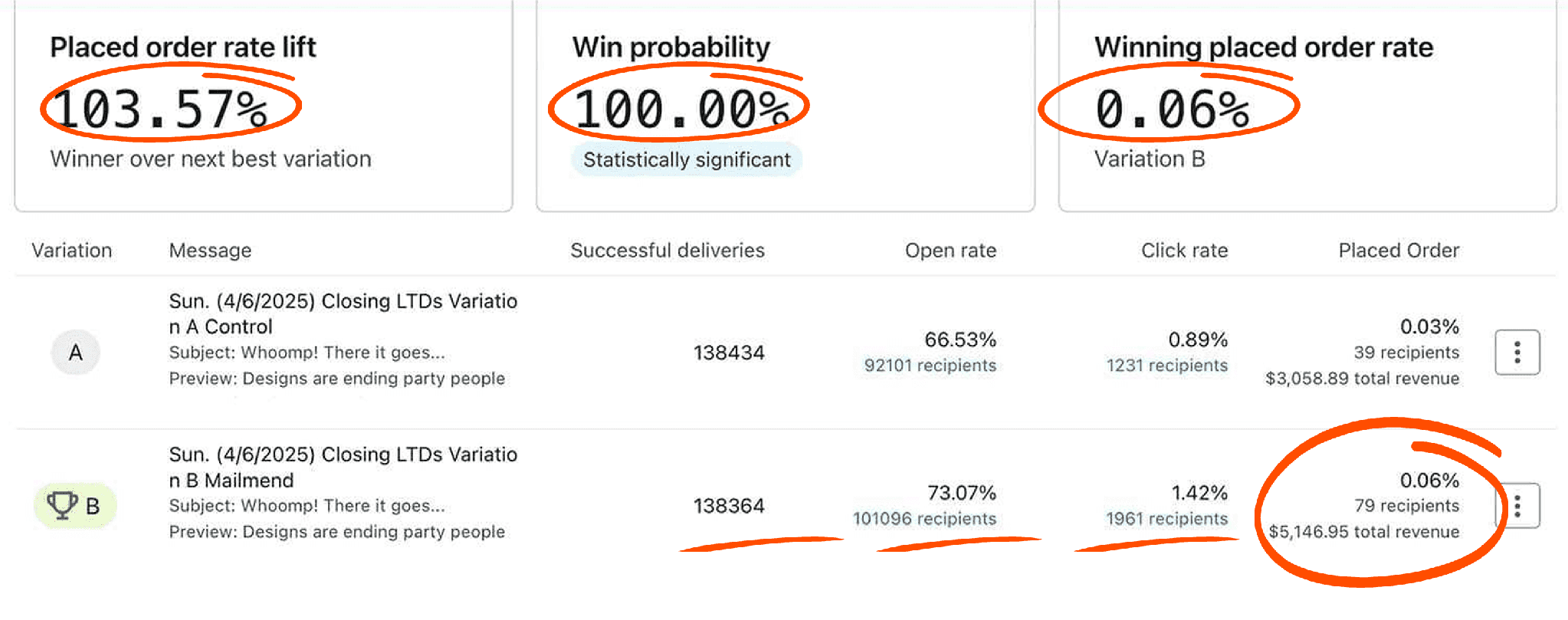
Comparing tools by the layer they work on beats comparing by price or rating.
If reputation itself looks shaky, high complaints, rising bounces, inconsistent sending, that's genuinely worth fixing first. Placement tools built on top of a poor reputation foundation won't perform well either. The order matters, but once the foundation is solid, placement is the layer that moves the needle.
What a placement-focused tool does differently
Placement tools work at a different layer, the email header level, rather than the list or content level. The goal isn't cleaning subscribers or building trust over months. It's addressing the specific signals mailbox providers use to sort inbox versus Promotions versus spam, the signals that actually decide which tab your campaign lands in.
This is a focused job, and that focus is the point. A placement tool won't repair a genuinely damaged sender reputation, that's outside what it's built for, but for the placement decision itself, it's working on the exact layer that matters.
Can you use both?
Yes, and for a lot of brands that's the ideal setup. Reputation tools handle the foundational work: list hygiene, warmup, bounce management. MailMend handles the layer that sits on top of that foundation, the one that actually decides Primary versus Promotions.
That layer is the email header level, the signal mailbox providers use to sort the inbox, and it's the layer copy tools, list and segmentation tools and reputation or warmup tools never touch. MailMend is built for it specifically. There's no content rebuild, no new sending strategy, and no change to your copy, design or list. It installs in about 15 minutes, works across every Klaviyo campaign and flow once it's live, and you can watch the difference in a native Klaviyo A/B test with MailMend on versus off.
So if you already have reputation and list hygiene handled, MailMend isn't competing with that work. It's the missing piece that sits on top of it and finally addresses your placement.
Our honest take
Most tool comparisons floating around treat this like a single-winner category. It isn't. Reputation and placement are different problems with different fixes. But if you've already checked your reputation and you're still stuck in Promotions, the honest answer is simple: placement is your problem, and MailMend is the Orita alternative for Klaviyo built to solve exactly that. Don't choose based on price or marketing, choose the tool built for the layer you actually need help with, and for placement, that's us.
See where your Klaviyo emails actually land
If your sender reputation is already solid and you're still landing in Promotions, placement is the layer left to fix, and it's the one MailMend is built for. We work at the header level, across every campaign and flow, with no change to your copy, design or list, and you can watch the difference in a native Klaviyo A/B test with MailMend on versus off, live in about 15 minutes. If placement is your problem, MailMend is the alternative worth trying. Book a demo or start your 30-day trial and see where your emails are really landing.
Frequently Asked Questions
Is MailMend an Orita alternative for Klaviyo?
If your problem is inbox placement, yes. MailMend works at the email header level to influence the Primary versus Promotions decision, the layer reputation and list-hygiene tools like Orita don't focus on. If you're still landing in Promotions with a healthy reputation, MailMend is the alternative built for exactly that.
Should I switch from Orita if I'm still landing in Promotions?
First confirm whether your reputation metrics are healthy. If they are, the issue is placement, which needs a placement tool like MailMend rather than more reputation work. Reputation tools and MailMend can also run side by side, so it doesn't have to be a straight either-or.
Can reputation tools and placement tools work together?
Yes. They address different layers, so running both is common for brands dealing with both reputation and placement issues at once. MailMend adds the placement layer on top of your existing reputation and list-hygiene work.
What's the fastest way to tell if I have a reputation problem or a placement problem?
Check complaint rate, bounce rate, and engagement trends first. If those all look healthy and you're still landing in Promotions, it's a placement issue, not a reputation one, and that's the layer MailMend is designed to improve.
Do I need a warmup tool if my domain is already established?
Usually not, unless you're launching a new sending domain or recovering from a significant reputation drop. Established domains with healthy metrics rarely need active warmup, and if placement is still the sticking point, that's a job for a placement tool rather than warmup.